
Montana is very well known for snowy, cold and frequently muddy weather. For this reason, having a good boot that works well in a wide variety of winter weather conditions is critical for anyone who spends lots of time outside during the winter months, here in Montana or elsewhere. Since I live in Montana, I thought it appropriate to put up some information about snow boots that are ideal for people who need a good pair of boots for winter weather conditions in cold places, like Montana or anyplace else where winter weather strikes.
Good Brands of Snow Boots
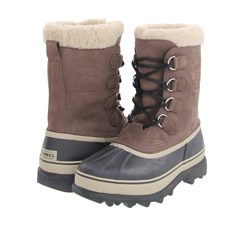 |
Sorel Boots - One of the most popular, and durable, snow boots around. Very popular in Montana. More information about Sorel Boots. |
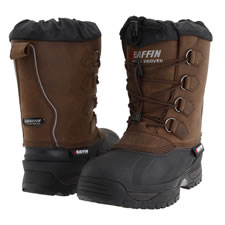 |
Baffin Boots - The boot mountain climbers wear and which are used on expeditions to the South Pole. Very warm. Very durable. More Info about Baffin Boots. |
Good Brands of Winter Boots
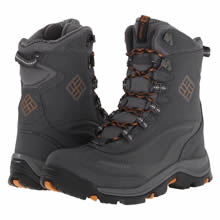 |
Columbia Boots - Columbia has a small but excellent line of winter boots available. Their boots are lightweight and ideal for hiking. More Info about Columbia Boots. |
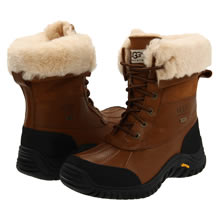 |
Ugg Boots - While Uggs are more known for "fashionable" winter boots, they have several boots that are excellent "day to day" winter boots with good traction. More Info about Ugg Boots. |
Boot & Sock Reviews
Complete list of snow boot, winter boot and winter sock reviews on this site.
What Are Snow Boots?
Before going on, I thought it would be helpful to define exactly what snow boots are how they are different from a more typical winter boot. In the world of boots, these terms are often used interchangeably, despite the rather significant design and use differences between them.
Snow boots are boots that are designed for both very cold weather and wet, snowy and muddy conditions. As such, they are different from a typical winter boot that is only designed to keep your feet relatively warm during cold weather. Snow boots differ from a winter boot in that snow boots are specifically designed for very cold weather, very deep snow and muddy conditions. In short, they have been designed to keep your feet both warm and dry in all sorts of absolutely miserable conditions.
By contrast, the more common winter boot will generally do an admirable job of keeping your feet warm in cold weather. However, where the winter boot frequently fails is in keeping your foot dry. This isn't because the boot isn't waterproof—most good winter boots are. Instead, it happens because winter boots are either lower cut or lack a snow gator, thus allowing snow to sneak inside the boot. This isn't an issue, obviously, if you don't wander around in deep snow. But if you do spend time in deep snow, this drawback of your typical winter boot will quickly be noticed.
Features of Snow Boots
Snow boots have several features not commonly found on your more typical winter boot. These features include:
100% complete waterproofing - All too many winter boots of the world are just water resistant , not waterproof. Coming from experience, I can attest to the fact that there is a world of difference between waterproof boots and water resistant boots. Water resistant boots work just fine in mildly wet weather, but fail miserably when wandering through mud, deep snow or, worse yet, wet snow.
Snow Gaiter - A real good snow boot will have a snow gaiter as part of the design. A snow gaiter is basically something built into the boot that prevents snow (and thus water, once it melts) from getting down inside the boot and making your feet wet.
Typically, snow gaiters come in two forms. The first form is a "built-in" gaiter that consists of furry insulation that snugs up tightly against the leg, hinder snow from getting down into your boot. This type of snow gaiter works well in most instances, but isn't perfect all the time, particularly in very deep snow. However, due to the gaiter design, the boot is generally significantly easier to get into. The Sorel Caribou Boot uses this type of gaiter.
The second type of gaiter is the "pull-up" gator that consists of waterproof material that can be snugged up against the leg through the use of a drawstring. Once you have the boot on, you simply pull up the gaiter, tighten the draw string around your lower leg, and presto - you now have a gator that will keep out virtually all snow, regardless of how deep it is. This type of gaiter is used on the Sorel Conquest Boot.
Extended Boot Height - Snow boots are specifically designed for wandering around in deep snow. And when wandering around in deep snow, as a general rule, the higher the boot the better. In particular, snow boots will extend well above the ankle, higher than your typical work boot or hiking boot. The purpose of this extended height is to provide further protection against both cold and snow from entering the boot and thereby chilling the foot.
Rubber Bottom – Most snow boots have a rubber bottom. he rubber bottom of the boot not only provides 100% waterproof protection, but also makes cleaning up the boot and drying it (no small consideration if you use the boot every day) a snap. In general, if you spend day after day wandering around in the mud during the winter (such as doing construction work), be sure to get a rubber bottom boot. Sorel Caribou Boots and other rubber bottom Sorel Boots are the most popular boot of this type.