
Most people really don’t differentiate between a winter boot and a snow boot. However, there is a difference. The reason for this is that snow boots and winter boots generally have different functions they each do best. This article will cover some of the differences, and similarities, of snow boots and winter boots. It will also make some recommendations on what to get based on the boots intended use.
Similarities between a Snow Boot and a Winter Boot
Both snow boots and winter boots are designed to keep your feet warm during cold weather, generally in temperatures well below zero. Whether the boot actually accomplishes that or not depends on the type of boot as well as what the boot is used for. Using a winter boot in "snow boot" type conditions can be a recipe for cold feet regardless of how great the insulation or expensive the boot might be.
So let’s go over the specific uses of snow boots and winter boots.
Snow Boots : Specific Uses
A snow boot is a boot designed for use in the snow, as the name suggests. However, a snow boot is also designed to be used in wet conditions, too. And by wet, we aren’t talking about a few puddles or an inch of snow. We are talking about deep, yucky mud. Or deep piles of slushy, wet, dirty snow. Or heaps of fresh, new powder that fell the night before and now beckons for removal from the driveway.
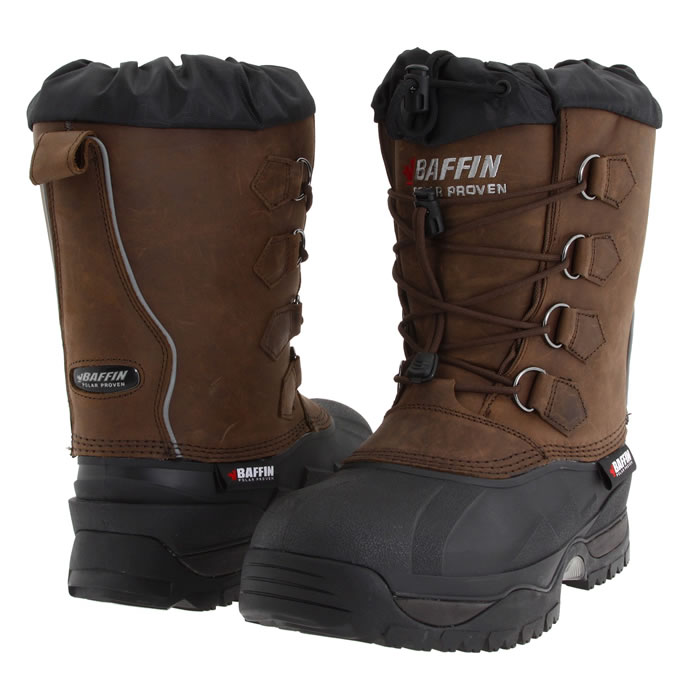 |
| A typical "Snow Boot", the Baffin Shackleton. |
A snow boots excels in these conditions because of their unique design. A good pair of snow boots generally has a rubber bottom, which provides 100% waterproof protection without the need for any special coatings or treatments. Additionally, the rubber bottom makes cleaning up the boot afterwards a breeze—just wash them down.
The upper part of a snow boot will be either made of leather or a mix of leather and nylon. The upper part of a snow boot will frequently extend well above the ankle. The reason for the tall height of snow boots is to provide additional warmth, give the ankle extra support, as well as to make room for a snow gaiter that is built into the boot. A snow gaiter closes the space between the lower leg and the opening of the boot, thus preventing snow from falling down while wandering through deep snow.
Thus, a snow boot is a specialist boot. It is designed to provide warmth and protection of the foot in really nasty weather. However, this does come at a price. Snow boots are often bulkier and heavier than a normal winter boot. Moreover, if the proper sock combination is not worn, the foot itself can become rather wet due to the inability of the foot perspiration to escape the lower rubber shell of the boot.
Snow boots are really meant for people who spend lots of time outdoors during the winter. People who work on road construction projects in the mud, sleet and snow will find snow boots ideal footwear. As will farmers and ranchers to have to trudge through a wide variety of conditions during the course of a year. Even people who live in and around the cities will find uses for snow boots, such as using them for hunting or camping trips during the spring and fall. Snow boots are also ideal for skiers, too.
Popular Styles of Snow Boots include Sorel Boots & Baffin Boots.
Winter Boots : Specific Uses
By contrast, a winter boot is more of a "general use" item. A winter boot will, like a snow boot, have good insulation built inside of it to keep the foot warm during cold weather. Most good winter boots will also be waterproof or, at a minimum, water repellant. However, winter boots lack the ability to keep snow from tumbling inside the boot between the boot opening and lower leg. Thus, to wear a normal winter boot in deep snow, a separate snow gaiter must be worn. The lack of a built-in snow gaiter is one of the best ways to differentiate between a "Snow Boot" and a "Winter Boot."
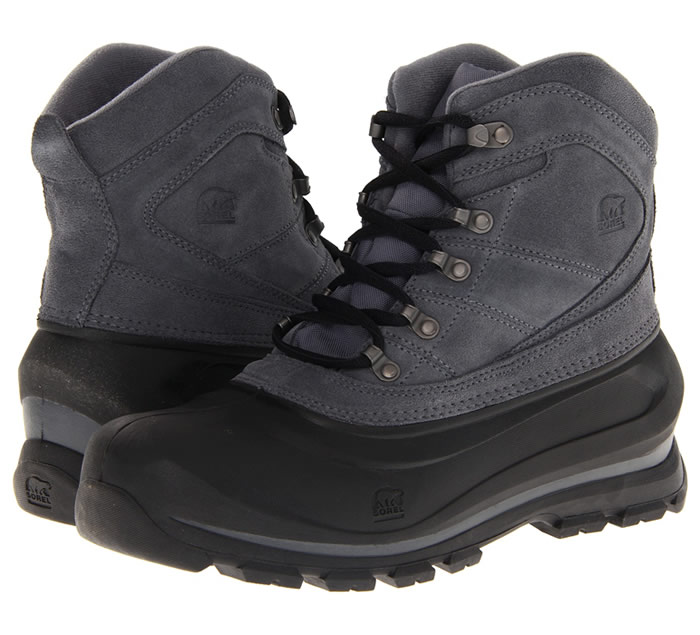 |
| A typical "Winter Boot." Note the lower cut and lack of a gaiter. |
Additionally, winter boots – even fully waterproof ones – can’t compare to the waterproofing ability of a good snow boot. Taking a waterproof winter boot into deep mud is a great recipe to have literally pounds of mud "caked on" to the boot. And sooner or later the water in the mud will begin to find a way to seep through the outer shell, eventually ending up on the foot. Moreover, at the end of the day, removing all that mud from a normal winter boot is often a less than easy or desirable task.
Instead, a winter boot is best used for what I would call normal daily activities that most people do in the winter. This includes such exciting activities such as shoveling the drive or the sidewalk, commuting, walking to work, walking downtown, driving, shopping, etc…A winter boot will accomplish these things in fine style while at the same time being lighter and more comfortable than a heavier and bulkier snow boot.
Conclusion
Hopefully, this page makes some sense to anyone who is reading it. All in all, what type of boot you get (a winter boot or a snow boot), really comes down to what you will be using the boot for. For uses in wet conditions, deep snow and mud, a snow boot is pretty much mandatory as a normal winter boot will break down or be ruined in these conditions. The best type of snow boots are Sorel Boots, in my own opinion.
For general winter weather conditions, there is a staggering amount of choices to choose from. One of the most popular, and warmest, winter boots are the newer Ugg Boots. Uggs are very comfortable, look great and are incredibly warm due to their all wool insulation. Other popular and quality winter boots are made by Columbia, Salomon and Kamik.
Next Page : How to Keep Your Feet Warm in Cold Weather